Samples & Specifications
Product samples and specifications
Assess supplier samples against written requirements, approve a production specification and keep changes traceable through to the finished order.
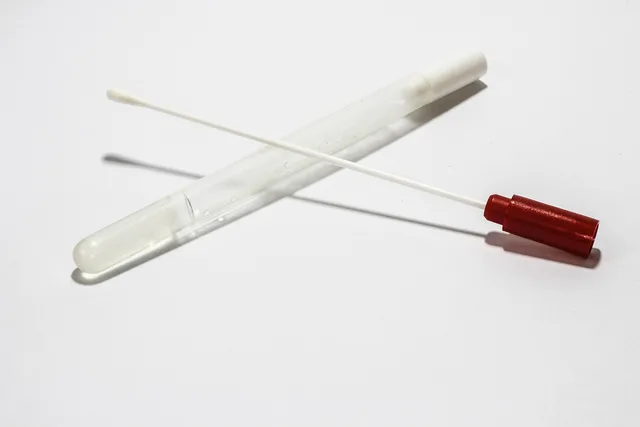
A sample shows what a supplier has provided for assessment. A production specification records what the supplier is to make.
Use the sample to check written requirements, record accepted differences and identify the specification version approved for the order. A sample that looks right does not establish that later stock will match it.
Identify what the sample represents
Before requesting a sample, ask whether it will be a catalogue item, a prototype or a unit made with the proposed production materials and process. Ask the supplier to identify its model, variant and any temporary or hand-finished parts, and to explain what would change in production.
When it arrives, give the sample an identifier and record the supplier, date and specification version used to assess it. Label any retained physical reference so an earlier prototype cannot be mistaken for the approved version.
A sample can help you assess features such as fit, appearance, assembly and basic operation when you actually check them. It cannot establish the condition of an unseen production lot.
Hidden properties may need suitable testing or other evidence. For consumer products supplied in Australia, assess applicable safety requirements separately; safety testing of a pre-production sample generally needs further quality assurance.
Before committing to an order, do basic checks on the supplier as well as the item. Read customer reviews, ask for references and contact other businesses the supplier deals with. You can also search the Australian Business Register to confirm the business is registered.
Assess the sample against written requirements
Before reviewing the item, identify the key written requirements and how you will assess them. Leave technical decisions to a competent person.
Record observations beside the requirements, including checks that could not be completed. “Closure does not engage with the specified insert” tells the supplier more than “quality poor”.
If the sample differs from the brief, decide whether to request a correction or approve a documented alternative. Do not quietly change the requirement to fit the item received.
Ask what controls will help keep production consistent with the assessed sample. For example, check whether the factory is audited regularly, raw materials are tested, assembly processes are followed and quality checks are performed. Ask whether staff training is current and adequate.
Define the approval
Identify the particular sample, product variants and specification version covered by the decision. List accepted differences and unresolved checks.
If a revised part matters to the decision, request a corrected sample or other suitable evidence. An appearance approval with a material test still open is a conditional decision, not full product approval.
Keep the supplier’s acknowledgement of the agreed production specification with the order. Record the goods and quality requirements in the written supplier terms, along with the agreed timing and delivery terms.
For product-safety evidence, you can ask the supplier for written evidence of compliance, such as third-party product certification or test reports. The ACCC recommends reports from accredited test bodies or laboratories where possible. This evidence can support the sample decision, but does not replace checking that the evidence applies to the product and production arrangement being ordered.
Carry the approved version into production
Ask the supplier to confirm that production will use the approved materials, construction and variants. Record proposed differences against the approved version and resolve them before they become production instructions. Make the current specification available to the people checking and receiving the goods.
Compare actual production goods with that version at an appropriate point. If you commission a pre-shipment inspection, define the goods and checks it covers. Its findings apply to that scope; they do not prove every unit is sound or replace product-specific safety evidence.
If the goods will be sold to consumers in Australia, check that the sales description remains accurate.
If a mandatory safety standard applies, you may be required to make sure the product has been tested. Standards are generally voluntary, but can become mandatory when governments refer to them in legislation.
The ACCC advises sourcing from manufacturers or suppliers with a reputation for supplying products tested against applicable mandatory standards. It also recommends that pre-shipment inspections have adequate supervision by qualified staff appointed by an independent inspector.
Key Compliance Requirements for Australian Product Suppliers
- ACCC Recommendation: Test Body AccreditationReports should come from accredited laboratories (see https://www.productsafety.gov.au/business/know-how-to-sell-safe-products/how-to-source-and-test-products)
- Mandatory Standards in AustraliaStandards become mandatory when referenced in legislation; check https://www.standards.org.au/standards-development/what-is-standard
- Pre-Shipment Inspection OversightMust be supervised by qualified staff appointed by an independent inspector (ACCC guidance)
- Australian Business Register VerificationAlways verify supplier registration via ABN lookup (https://abr.business.gov.au)
In this guide
- Writing acceptance criteria before a sample arrivesTurn a product brief into measurable sample checks, decision rules and clear limits before the supplier’s sample arrives.
- Comparing samples from several suppliers fairlyUse common criteria and a clear results matrix to compare supplier samples while keeping missing evidence and order terms visible.
- Recording changes between a sample and production specificationTrack approved differences between a supplier sample and the production specification, including affected units, evidence and version control.